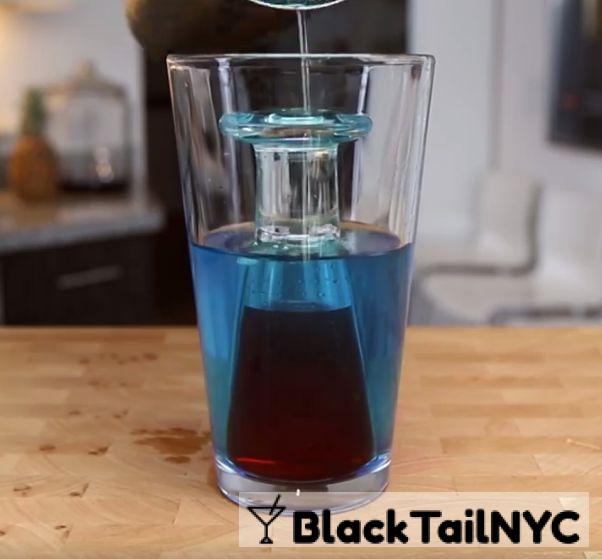
There’s still a few people who don’t know how to drink sambuca, the sweet liqueur flavored with anise. Use it in place of a simple syrup as the sweet component in sours and fizzes, or drink it neat or with a splash of water. Sambuca can also be made into cocktails, used with interesting mixers to enhance the licorice flavor profile. The drink is typically served as a digestif at the end of a meal to aid digestion. The liqueur has a clear color and primarily contains anise. Sambuca is typically enjoyed as a digestif after dinner.
History of Sambuca Shots
The sambuca, now that it is usually associated with flaming shots, was once regarded as a symbol of “La Dolce Vita” during the 1950s and 1960s in Italy. It is notable that the etymology of sambuca is debated a great deal. As a matter of fact, its name may have been derived from the Latin word for “elderberry”. Nonetheless, elderberry is not necessarily an ingredient in sambuca despite its occasional appearance. First commercially produced in Italy in 1851 by Luigi Manzi, sambuca was a product of this country. Adding that it was good after meals and named after the “sambuchelli” watermen who worked between Ischia island and Naples, the winemaker said it was fine anisette.