
Craft beer has been gaining popularity among beer enthusiasts over the years. While most beer is filtered to remove impurities, unfiltered beer has been making its way into the market as a favorite of many. But, can unfiltered beer cause allergies? In this article, we will explore the possibility of unfiltered beer causing allergies and who is at risk.
Unfiltered beer is a type of beer that is not filtered to remove yeast or other particles. This type of beer is known for its unique flavor and aroma, which is retained due to the presence of yeast and other particles. But, can this type of beer cause allergies in some people?
In this article, we will explore the potential allergens found in unfiltered beer, how allergies can develop, and who is most at risk. We will also look into the diagnosis and treatment options available for those who may experience allergies as a result of consuming unfiltered beer. So, without further ado, let’s dive into the world of unfiltered beer and allergies.
What is Unfiltered Beer
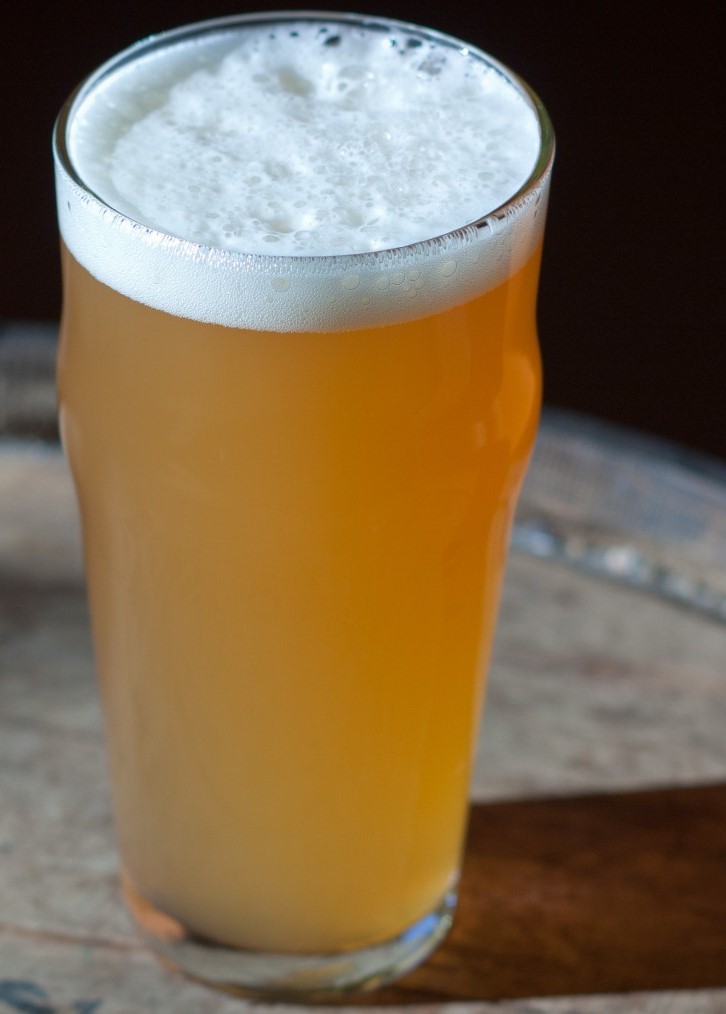
Unfiltered beer is a type of beer that has not gone through the filtration process, which removes yeast and other particles. Instead, unfiltered beer retains yeast and other particles, resulting in a unique flavor and aroma. The lack of filtration in unfiltered beer means that the beer is cloudy in appearance and may have a slightly thicker consistency than filtered beer. This unique quality makes unfiltered beer a favorite among craft beer enthusiasts who appreciate the distinct taste that it provides.
Unfiltered beer differs from filtered beer in several ways. First, the presence of yeast and other particles in unfiltered beer provides a more complex flavor profile than filtered beer. Unfiltered beer also contains more B vitamins, proteins, and other nutrients due to the presence of yeast, which can be beneficial to one’s health. Additionally, unfiltered beer has a shorter shelf life than filtered beer because the yeast and particles can cause the beer to spoil more quickly.
There are several benefits to drinking unfiltered beer. For one, unfiltered beer is a great source of nutrients, including B vitamins and proteins. These nutrients can help support a healthy immune system, improve digestion, and promote healthy skin and hair. Unfiltered beer is also a great choice for those looking for a unique and flavorful beer experience. The presence of yeast and other particles in unfiltered beer provides a fuller, more complex flavor than filtered beer.
One type of unfiltered beer that has gained popularity in recent years is hazy IPA. Hazy IPAs are a type of unfiltered beer that is brewed with a specific type of yeast that gives the beer its hazy appearance. Hazy IPAs are known for their fruity and juicy flavors, and have become a favorite among beer enthusiasts who appreciate the complex flavor profile that unfiltered beer provides.
While unfiltered beer has many benefits, there are some potential drawbacks to consider. Because unfiltered beer contains yeast and other particles, it may not be the best choice for those with certain health conditions, such as celiac disease or gluten intolerance. Additionally, because unfiltered beer has a shorter shelf life than filtered beer, it may not be the best choice for those looking to stock up on beer for long periods of time.
Overall, unfiltered beer is a great choice for those looking for a unique and flavorful beer experience. The presence of yeast and other particles in unfiltered beer provides a complex flavor profile that cannot be found in filtered beer. While there are some potential drawbacks to consider, such as the shorter shelf life and potential health concerns for some individuals, the benefits of drinking unfiltered beer make it a great choice for beer enthusiasts who appreciate the distinct taste that it provides.
What Causes Allergies
Allergies are a common health concern that affect millions of people around the world. An allergy is an immune system response to a substance that is usually harmless, such as pollen, dust, or certain foods. When an allergen enters the body, the immune system responds by producing antibodies that recognize and attack the allergen. This immune response can cause a range of symptoms, from mild to severe.
The immune system plays a central role in allergies. The immune system is designed to protect the body from harmful substances such as viruses and bacteria. When the immune system detects an allergen, it produces an antibody called immunoglobulin E (IgE) that recognizes and binds to the allergen. This triggers the release of chemicals, such as histamine, that cause inflammation and other allergic symptoms.
Common allergens found in beer include:
- Hops
- Barley
- Yeast
- Wheat
- Corn
It’s important to note that while beer can contain allergens, it is rare for someone to be allergic to beer itself. Most beer allergies are caused by the ingredients used to make the beer. For example, someone who is allergic to hops may experience allergic symptoms after consuming beer that contains hops.
Allergies develop when the immune system mistakenly identifies a harmless substance as a threat. When the immune system encounters an allergen for the first time, it produces IgE antibodies that are specific to that allergen. These antibodies remain in the body and, upon subsequent exposure to the allergen, cause an allergic reaction.
There are several factors that can increase the risk of developing allergies, including:
- Genetics: If someone in your family has allergies, you may be more likely to develop them.
- Age: Allergies can develop at any age, but they are more common in children and young adults.
- Environmental factors: Exposure to certain environmental factors, such as pollution and secondhand smoke, can increase the risk of developing allergies.
- Medical conditions: Certain medical conditions, such as asthma, eczema, and hay fever, can increase the risk of developing allergies.
Unfiltered Beer and Allergies
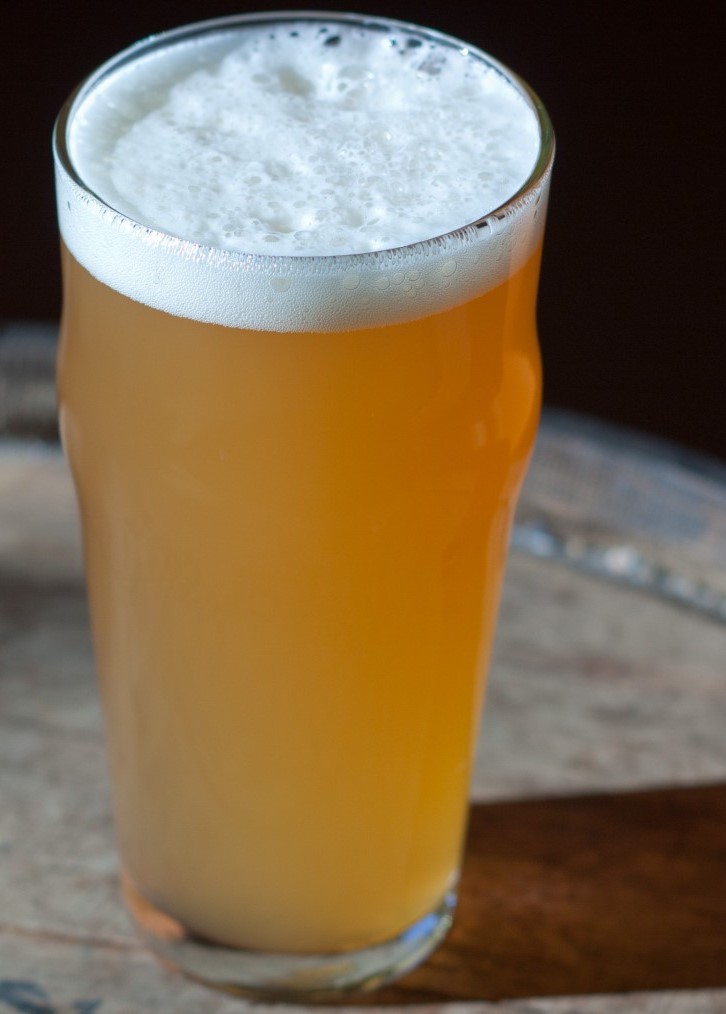
Unfiltered beer is a type of beer that is not subjected to the filtration process that removes yeast and other particles from the final product. While unfiltered beer is often preferred for its full flavor and unique character, it can also cause allergies in some individuals. The proteins and compounds found in unfiltered beer can trigger allergic reactions in susceptible individuals.
Unfiltered beer can cause allergies due to the presence of various proteins and compounds that can trigger allergic reactions. These proteins and compounds can include:
- Yeast: Unfiltered beer contains more yeast than filtered beer, which can trigger allergic reactions in individuals who are sensitive to yeast.
- Hops: Hops are a common allergen that can cause allergic reactions in some individuals.
- Barley: Barley is a grain that is commonly used in beer production and can cause allergic reactions in some individuals.
- Wheat: Some unfiltered beers may contain wheat, which can trigger allergic reactions in individuals who are allergic to gluten.
The symptoms of allergies caused by unfiltered beer can vary depending on the individual and the severity of the allergic reaction. Common symptoms of beer allergies can include:
- Itchy skin
- Hives or rash
- Swelling of the lips, tongue, or throat
- Nausea or vomiting
- Difficulty breathing
- Anaphylaxis, a severe and potentially life-threatening allergic reaction
It’s important to note that not all individuals will experience allergic reactions to unfiltered beer, and those who do may only experience mild symptoms. However, for those who do experience allergic reactions, it is important to avoid consuming unfiltered beer or other products that contain the allergens.
Who is at Risk
Allergies from unfiltered beer can affect anyone, but some people may be at a higher risk. Generally, those with a history of allergies or sensitivities to certain substances are more likely to experience allergic reactions from unfiltered beer. This may include individuals with a family history of allergies, as genetics can play a role in the development of allergies. Additionally, people who have previously experienced allergic reactions to other types of beer, or to other foods or substances, may be more susceptible to developing allergies from unfiltered beer.
Factors that can increase the risk of allergies from unfiltered beer include consuming large quantities of the beverage, as this can lead to an increased exposure to potential allergens. Drinking unfiltered beer on an empty stomach may also increase the risk of allergic reactions, as the stomach may not be able to properly break down the proteins and compounds that can trigger allergies. Other factors that can increase the likelihood of experiencing allergies from unfiltered beer include consuming the beverage when the body is already under stress or when the immune system is weakened, such as during illness or after strenuous exercise.
It is important to note that anyone can develop allergies to unfiltered beer or any other substance, regardless of their history or risk factors. If you experience symptoms of an allergic reaction after consuming unfiltered beer, such as hives, itching, swelling, or difficulty breathing, it is important to seek medical attention immediately. Your doctor can help diagnose the allergy and recommend appropriate treatment options, which may include avoiding unfiltered beer or other potential allergens, taking medications to manage symptoms, or undergoing allergy desensitization therapy.
Diagnosis and Treatment

Allergies caused by unfiltered beer can be a challenging problem to diagnose and treat. The first step in diagnosing an allergy to unfiltered beer is identifying the symptoms. Symptoms of an allergy may include a stuffy or runny nose, watery eyes, itchy throat, hives or rash, and in some cases, difficulty breathing. If you suspect you have an allergy to unfiltered beer, it is important to speak with your doctor or an allergist who can help diagnose the issue.
Once an allergy to unfiltered beer has been diagnosed, treatment options will depend on the severity of the symptoms. For milder symptoms, over-the-counter antihistamines may be recommended. In more severe cases, prescription medications such as epinephrine or corticosteroids may be necessary. It is important to note that there is currently no cure for allergies, but treatment can help manage symptoms.
Prevention methods for those at risk of developing an allergy to unfiltered beer include avoiding drinking unfiltered beer altogether, or switching to filtered beer instead. It may also be helpful to keep track of which types of unfiltered beer have caused a reaction in the past, and to avoid those specific brands or types. For those with severe allergies, carrying an epinephrine auto-injector at all times is highly recommended.
It is important to note that unfiltered beer contains proteins and compounds that can trigger allergies in some individuals. Common allergens found in unfiltered beer include wheat, barley, and hops. These allergens can cause the body’s immune system to mistakenly identify them as harmful, resulting in an allergic reaction. It is also worth noting that people with a history of other allergies or asthma may be more likely to experience an allergy to unfiltered beer.
Article takeaway
It is critical to remember that unfiltered beer may have many health benefits, but it may also have allergies. If the beer is not filtered, it may contain allergens that can have an impact on allergic reactions.
Roughneck beer can cause mild to severe hives, itching, and breathing problems, in addition to allergic reactions. unfiltered beer allergies are most common among people who have previously suffered from allergies, asthma, or other respiratory conditions.
If you notice any symptoms after drinking unfiltered beer, you should seek medical attention as soon as possible. Un unfiltered beer is frequently diagnosed and treated, and preventative measures can be taken to reduce the risk of allergic reactions.
While unfiltered beer is a great option for beer fans, it must be noted that it can pose a variety of risks. unfiltered beer has many advantages that can only be obtained by becoming knowledgeable and taking precautions.
