
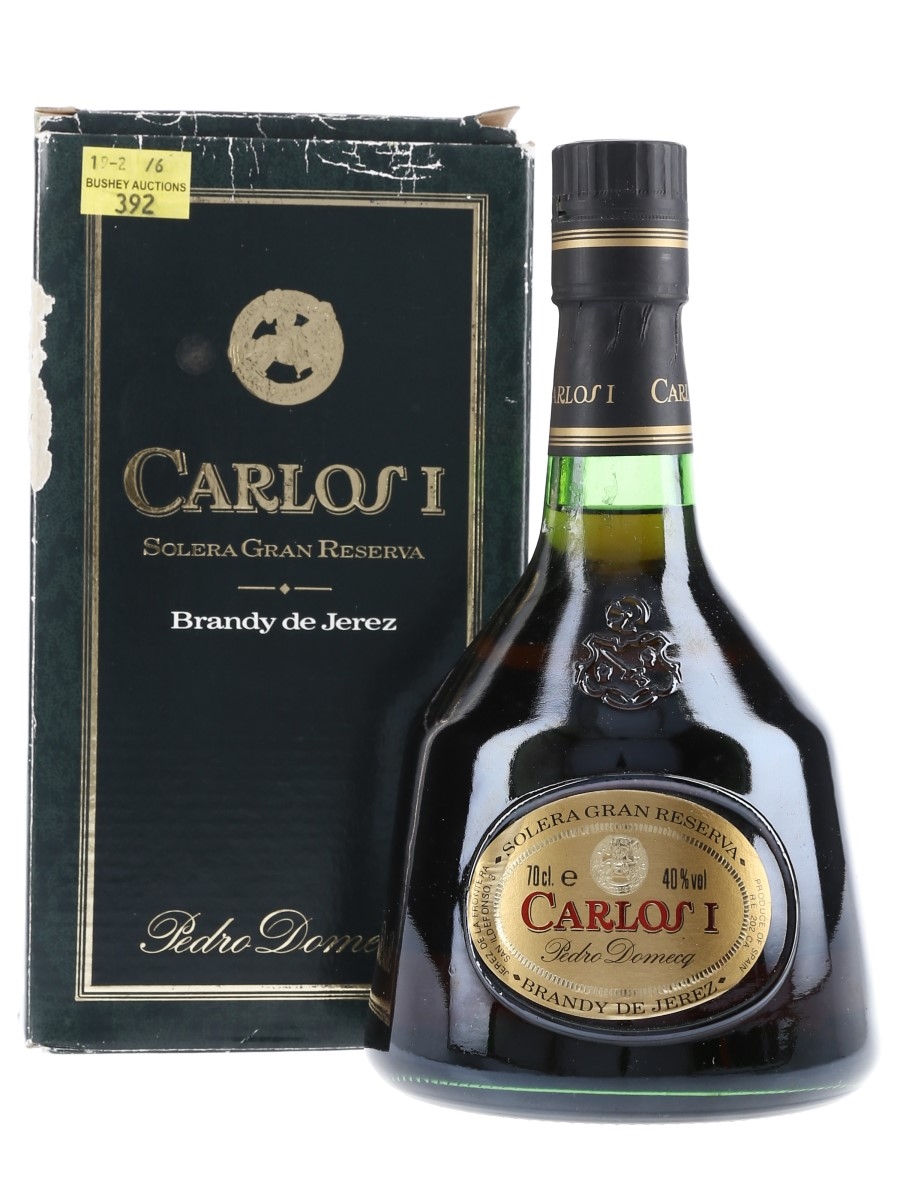
Brandy de Jerez: Exploring the Birthplace of the Finest Brandy
Are you a connoisseur of fine spirits? If so, you’ve likely heard of Brandy de Jerez, one of the most revered and coveted brandies in the world. But do you know where this divine elixir comes from?
Brandy de Jerez is produced exclusively in the Jerez-Xérès-Sherry region of Spain, where the unique climate, soil, and centuries-old tradition come together to create a one-of-a-kind product. In this article, we’ll take a deep dive into the history, production process, and geography of Brandy de Jerez, as well as explore the role of the Regulatory Council and the importance of Geographical Indication.
But that’s not all - we’ll also take a look at the best food pairing options for Brandy de Jerez and how to serve and enjoy it like a pro. So, pour yourself a glass of your favorite brandy and let’s embark on a journey to the birthplace of the finest Brandy - Jerez-Xérès-Sherry.
History of Brandy de Jerez

The history of Brandy de Jerez is a rich and fascinating tale that stretches back over centuries. This prized spirit has played an important role in Spanish culture, and its unique taste and quality have earned it a reputation as one of the finest brandies in the world.
The origins of Brandy de Jerez can be traced back to the 16th century, when Spanish winemakers began to distill wine in order to create a more stable and durable product. Over time, the distillation process evolved, and the use of oak barrels became an integral part of the production process. The use of these barrels gave the brandy its distinctive color, aroma, and flavor, and set it apart from other brandies produced around the world.
Throughout the centuries, the production of Brandy de Jerez has played an important role in the economy and culture of the Jerez region. The brandy became a symbol of Spanish tradition and craftsmanship, and its popularity continued to grow both domestically and internationally. By the 19th century, Brandy de Jerez was being exported to countries throughout Europe and the Americas, and its reputation as a high-quality spirit continued to soar.
In the 20th century, the production of Brandy de Jerez faced new challenges as the wine industry began to modernize and consolidate. However, the spirit remained an important part of Spanish culture, and its unique taste and quality continued to attract new fans around the world. Today, Brandy de Jerez is recognized as a symbol of Spanish culture and tradition, and its production is carefully regulated to ensure its authenticity and quality.
The evolution of Brandy de Jerez over time is a testament to the enduring appeal of this beloved spirit. From its humble beginnings as a simple distillation of wine to its current status as one of the most prized brandies in the world, Brandy de Jerez has remained a symbol of Spanish tradition and craftsmanship. Whether enjoyed on its own or as part of a delicious meal, Brandy de Jerez is a spirit that will continue to captivate and delight for generations to come.
Production process of Brandy de Jerez
The production process of Brandy de Jerez is a carefully orchestrated dance of grape selection, distillation, and aging. Each step of the process plays a crucial role in creating the unique taste and aroma that sets this spirit apart from other brandies produced around the world.
The first step in the production process of Brandy de Jerez is the selection of the grapes. Only certain varieties of grapes are used in the production of Brandy de Jerez, including the Palomino, Pedro Ximénez, and Moscatel grapes. These grapes are grown in the Jerez region of Spain, where the unique climate and soil conditions help to impart a distinct flavor profile to the brandy.
Once the grapes have been selected and harvested, they are fermented to produce a wine that is low in alcohol and high in acidity. This wine is then distilled using traditional copper stills, which help to separate the alcohol from the water and other impurities. This distillation process is carefully monitored and regulated to ensure that the final product meets the high standards set by the Regulatory Council.
After distillation, the brandy is aged in oak barrels for a minimum of three years. During this aging process, the brandy takes on the flavors and aromas of the oak barrels, which can include hints of vanilla, caramel, and spice. The type of oak barrel used can also have an impact on the final flavor of the brandy - barrels made from American oak tend to impart a stronger vanilla flavor, while barrels made from French oak tend to be more subtle.
The aging process for Brandy de Jerez is divided into three categories, each with its own unique flavor profile:
Solera: This is the youngest category of Brandy de Jerez, aged for a minimum of three years. Solera brandies tend to be light and fruity, with hints of citrus and vanilla.
Reserva: This category of Brandy de Jerez is aged for a minimum of six years. Reserva brandies are more complex and full-bodied than Solera brandies, with a deeper color and a richer flavor profile.
Gran Reserva: This is the oldest and most rare category of Brandy de Jerez, aged for a minimum of ten years. Gran Reserva brandies are dark and intense, with a complex flavor profile that includes notes of chocolate, tobacco, and spice.
In addition to the production process itself, the barrels used to age Brandy de Jerez are also a crucial part of its unique flavor profile. These barrels must be made from oak that has been seasoned for a minimum of two years, and they must be carefully maintained and monitored throughout the aging process. The barrels used to age Brandy de Jerez are often reused multiple times, which can help to create a consistent flavor profile across multiple batches.
In conclusion, the production process of Brandy de Jerez is a carefully crafted and time-honored tradition that has been passed down for centuries. From the selection of the grapes to the aging process, each step is carefully monitored and regulated to ensure that the final product meets the high standards set by the Regulatory Council. The result is a brandy that is truly unique and worthy of its reputation as one of the finest spirits in the world.
The Role of the Regulatory Council
The Regulatory Council of Brandy de Jerez plays a crucial role in ensuring that this spirit meets the high standards set by its designation of origin. The Council is responsible for monitoring and regulating every aspect of the production process, from grape selection to bottling and labeling. Here is a closer look at the role of the Regulatory Council in ensuring the quality of Brandy de Jerez:
Explanation of the Regulatory Council: The Regulatory Council is a non-profit organization that was established in 1933. Its purpose is to protect and promote the Brandy de Jerez designation of origin, which is a guarantee of quality and authenticity. The Council is made up of representatives from the Spanish government, the local wine industry, and other stakeholders.
Purpose and responsibilities of the Regulatory Council: The main purpose of the Regulatory Council is to ensure that every bottle of Brandy de Jerez meets the high standards set by its designation of origin. The Council is responsible for:
- Defining the geographical area in which Brandy de Jerez can be produced.
- Establishing the rules and regulations that producers must follow in order to use the Brandy de Jerez designation of origin.
- Monitoring every aspect of the production process to ensure that it meets these rules and regulations.
- Carrying out inspections and audits of producers to ensure that they are complying with the rules and regulations.
- Issuing and revoking licenses to use the Brandy de Jerez designation of origin.
- Promoting Brandy de Jerez to consumers around the world.
The role of the Regulatory Council in ensuring the quality of Brandy de Jerez: The Regulatory Council plays a critical role in ensuring that every bottle of Brandy de Jerez meets the high standards set by its designation of origin. Some of the ways that the Council accomplishes this include:
- Setting strict rules and regulations for the production process. These rules cover everything from the types of grapes that can be used to the size and type of barrels that must be used for aging.
- Conducting regular inspections and audits of producers to ensure that they are complying with these rules and regulations. These inspections cover every aspect of the production process, from grape selection to bottling and labeling.
- Monitoring the quality of the finished product. The Council regularly conducts blind taste tests of different batches of Brandy de Jerez to ensure that they meet the high standards set by the designation of origin.
- Promoting Brandy de Jerez to consumers around the world. By educating consumers about the unique qualities of Brandy de Jerez and the strict regulations that govern its production, the Council helps to create demand for this premium spirit.
Geographical Indication
Geographical Indication (GI) is a designation that indicates a product’s origin from a specific geographical region and ensures its authenticity. The concept of GI is vital in the production of Brandy de Jerez, which is a type of brandy produced in the Jerez region of Spain. The GI designation for Brandy de Jerez was recognized in 1996, making it the first spirit in Europe to receive such protection.
GI plays a critical role in Brandy de Jerez production because it helps preserve the unique flavor, quality, and tradition associated with the product. By using specific grapes grown in the Jerez region and following traditional production methods, Brandy de Jerez achieves a distinct flavor profile that sets it apart from other brandies. The GI designation ensures that only brandies produced in the Jerez region and following specific production methods can use the name “Brandy de Jerez.”
The GI designation also provides protection against counterfeit products, which can harm the reputation of the product and the region. By ensuring that only authentic Brandy de Jerez is sold under that name, the GI designation helps maintain the quality and authenticity of the product. The regulatory council, Consejo Regulador de la Denominación de Origen Jerez-Xérès-Sherry, oversees the production of Brandy de Jerez and ensures that only those products that meet the strict production standards can carry the GI designation.
The GI designation for Brandy de Jerez has helped increase the product’s visibility and demand in international markets. It has also helped promote the Jerez region as a unique and distinct producer of quality brandy. Brandy de Jerez has gained popularity in various countries worldwide, with the United States being one of the significant importers of this product.
Where is Brandy de Jerez Produced
Brandy de Jerez is a unique and distinctive type of brandy that is only produced in a few specific regions of Spain. These regions each have their own unique characteristics and qualities that contribute to the flavor and quality of the brandy produced there.
The main region where Brandy de Jerez is produced is the Jerez-Xérès-Sherry Denomination of Origin, which includes the cities of Jerez de la Frontera, El Puerto de Santa María, and Sanlúcar de Barrameda. This region is located in the southern part of Spain, near the Atlantic Ocean, and has a warm and humid climate that is ideal for the production of brandy.
Another important region for Brandy de Jerez production is Montilla-Moriles, located in the province of Córdoba. This region is known for its dry, pale, and slightly acidic brandies, which are aged using the solera system in oak barrels.
The final region where Brandy de Jerez is produced is Condado de Huelva, located in the province of Huelva. This region is known for its lighter and fruitier brandies, which are aged in oak barrels that are exposed to the ocean air.
Each of these regions has its own unique set of characteristics and qualities that contribute to the flavor and quality of the Brandy de Jerez produced there. For example, the warm and humid climate of the Jerez-Xérès-Sherry Denomination of Origin region leads to the development of rich and complex flavors in the brandy produced there. Meanwhile, the dry climate of Montilla-Moriles results in a lighter and more acidic flavor profile, while the ocean air exposure in Condado de Huelva contributes to the fruity and floral notes in the brandy.
Overall, the different regions where Brandy de Jerez is produced offer a diverse range of flavors and characteristics that make this brandy a unique and sought-after spirit. Whether you prefer a rich and complex flavor or a lighter and fruitier taste, there is a Brandy de Jerez that will suit your palate.
Pairing Brandy de Jerez
Brandy de Jerez is a versatile spirit that can be enjoyed in a variety of ways. From sipping it neat to using it as a cocktail base, there are endless possibilities for enjoying this rich and complex drink. In this article, we will explore the best food pairing options for Brandy de Jerez and how to serve and enjoy it.
When it comes to food pairing, Brandy de Jerez is a great choice for rich and savory dishes. The flavors of the brandy complement hearty meats and stews, and it can also be used in marinades or sauces to enhance the flavor of the dish. Some of the best food pairing options for Brandy de Jerez include:
- Grilled steak or lamb chops
- Beef stew or boeuf bourguignon
- Roasted pork tenderloin with herbs and spices
- Foie gras or pâté
- Aged cheeses, such as Manchego or Gouda
When serving Brandy de Jerez, it is important to note that it should be served at room temperature or slightly chilled. It can be enjoyed neat or on the rocks, and is often served in a snifter glass to enhance the aroma and flavor. For a more casual setting, Brandy de Jerez can be used as a base for cocktails, such as a classic Brandy Sour or a Spanish-style Sangria.
To truly savor the unique characteristics of Brandy de Jerez, it is best to take the time to appreciate its rich flavor profile. The aroma is complex and inviting, with notes of vanilla, spice, and oak. On the palate, it is smooth and velvety, with a long and satisfying finish. It is a drink to be savored slowly, allowing the flavors to develop and evolve over time.
Takeaway
The following are some highlights from the article: We hope that readers gain a better understanding of the origins, production process, and geography of Brandy de Jerez. To me, Brandy de Jerez is more than just any other brandy; it is an entirely unique and treasured product made only in Spain.
The Regulatory Council’s role in ensuring the authenticity and quality of Brandy de Jerez cannot be overstated; Geographical Indicator certification also adds credibility to the product. Every bottle of Brandy de Jerez is guaranteed to be of the highest quality and meets the Council’s stringent standards, according to the Council’s strict regulations and standards.
Furthermore, it is clear that Brandy de Jerez is a versatile drink that can be paired with a variety of foods, including sweet desserts and savory dishes. It is a drink that is not only enjoyable on its own, but also enjoyed with a meal.
In the end, Brandy de Jerez is more than just a drink; it is a symbol of Spain’s rich history and tradition. This beverage has a distinct flavor and is well worth a try for those who enjoy it. Now, if you’re looking for an alternative to gin or whiskey, a bottle of Brandy de Jerez will satisfy your taste buds.

